

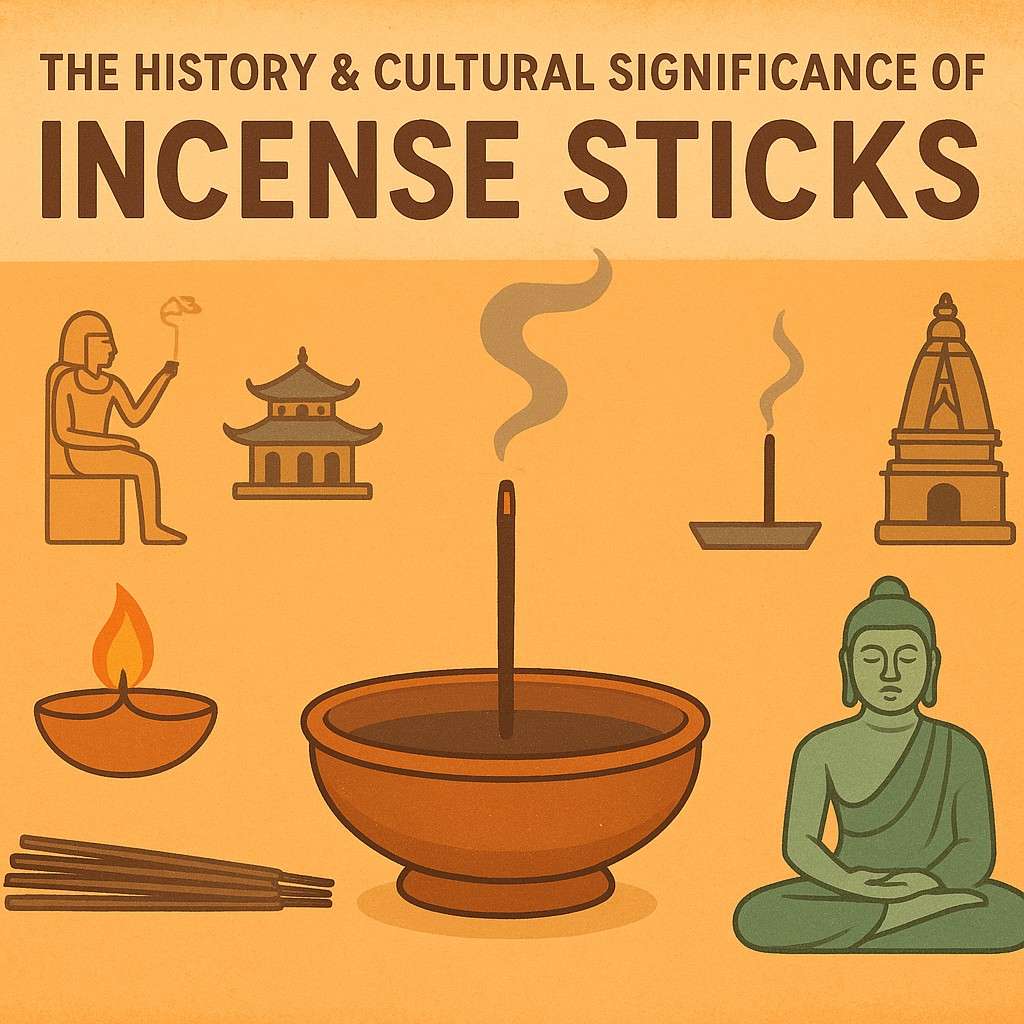
Incense sticks have been a timeless part of human civilisation, carrying deep cultural, spiritual, and therapeutic significance. From ancient temples to modern homes, the fragrant smoke of incense has been used for rituals, meditation, aromatherapy, and emotional well-being. While today we enjoy premium incense brands like Melloow Luxury, the tradition behind incense stretches back thousands of years, forming an important part of global heritage.
Origins of Incense: A Global Journey
The history of incense dates back more than 5,000 years. The earliest evidence comes from ancient Egypt, where incense resins like frankincense and myrrh were burned during religious ceremonies and royal rituals. Egyptians believed that fragrant smoke connected humans with the divine, purifying both the environment and the soul.
Simultaneously, incense was being used in India and China. In India, Vedic texts mention the burning of herbal woods, resins, and aromatic plants during yajnas (fire rituals). These rituals were believed to purify energy and please deities. In China, incense became integral to Taoist and Buddhist practices, often used in meditation and temple offerings.
Over time, incense trade routes spread across Asia, the Middle East, and Europe, giving birth to the famous “Incense Route,” similar to the Silk Route. This route helped exchange not just fragrances but also cultural beliefs, religious practices, and healing traditions.
Incense in Indian Culture and Traditions
India is considered the heart of incense stick (agarbatti) production. The Indian word “agarbatti” itself comes from “agar” (aromatic wood) and “batti” (stick). Incense sticks have always been used in:
1. Religious Rituals
Whether it’s a simple daily puja, temple visit, or festive ritual, lighting an incense stick is considered a sacred gesture. Hindus believe that fragrance attracts positive energies, calms the mind, and purifies the surroundings. Different aromas represent different deities and intentions—sandalwood for purity, jasmine for devotion, rose for love, and lavender for peace.
2. Ayurveda and Healing
India’s traditional medicine system, Ayurveda, recognises fragrance as a powerful healing tool. Burning natural herbs and flowers helps balance doshas, reduce stress, and elevate mood. Even today, incense sticks infused with essential oils or natural ingredients are used for relaxation and aromatherapy.
3. Cultural Rituals and Celebrations
From weddings to housewarmings and festive occasions like Diwali or Navratri, incense creates an atmosphere of warmth, purity, and positivity. Many households still start their morning routines with the soft aroma of agarbatti filling the home.
Incense in Buddhism, Taoism, and East Asian Traditions
While incense is deeply rooted in Indian culture, East Asia also played a major role in shaping incense rituals. In Japan, incense became a refined art form called Kōdō, meaning “The Way of Incense.” It wasn’t just about burning incense—it was a mindful, meditative ritual of appreciating fragrance.
In China, incense is still used in temples, monasteries, and homes for prayer, meditation, and honoring ancestors. Taoist rituals use different incense fragrances to symbolize harmony, wisdom, and spiritual clarity.
Incense in Middle Eastern and Western Cultures
In the Middle East, incense like oud, bakhoor, and frankincense were important symbols of hospitality and royalty. They were burned to welcome guests, cleanse spaces, and celebrate special occasions.
Europe began using incense primarily through churches. Catholic and Orthodox churches used incense in mass, symbolizing prayers rising to heaven. Later, it entered Western homes as aromatherapy, wellness, and lifestyle products.
The Modern Revival of Incense Sticks
Today, incense sticks have become popular not just for rituals, but also for:
- Stress relief and meditation
- Yoga practice
- Aromatherapy
- Home fragrance
- Creative focus and productivity
People are choosing high-quality, long-lasting, natural fragrance incense sticks that elevate their lifestyle and environment. Brands like Melloow Luxury have introduced premium incense experiences with refined fragrances that blend tradition with modern elegance.
Why Incense Still Matters Today
Despite modern technology and changing lifestyles, incense holds its importance because it:
1. Connects Us to Tradition
Lighting incense evokes cultural memory and spiritual connection. It reminds us of rituals, elders, and timeless practices passed down through generations.
2. Enhances Emotional Well-Being
Certain fragrances reduce anxiety, improve concentration, and create a peaceful environment. Incense is now an integral part of meditation and mental wellness routines.
3. Purifies and Refreshes Spaces
Natural incense eliminates unpleasant odors and creates a refreshing, uplifting ambiance.
4. Symbolizes Positivity and New Beginnings
From opening a new shop to celebrating festivals, incense marks auspicious moments and invites positive energy.
Conclusion
Incense sticks are far more than fragrant products—they are carriers of culture, spirituality, healing, and emotional balance. Their history spans continents, religions, and civilizations, making them a universal symbol of purity and serenity. As modern brands continue to innovate with premium ingredients and elegant fragrances, incense remains an essential link between tradition and contemporary living.