

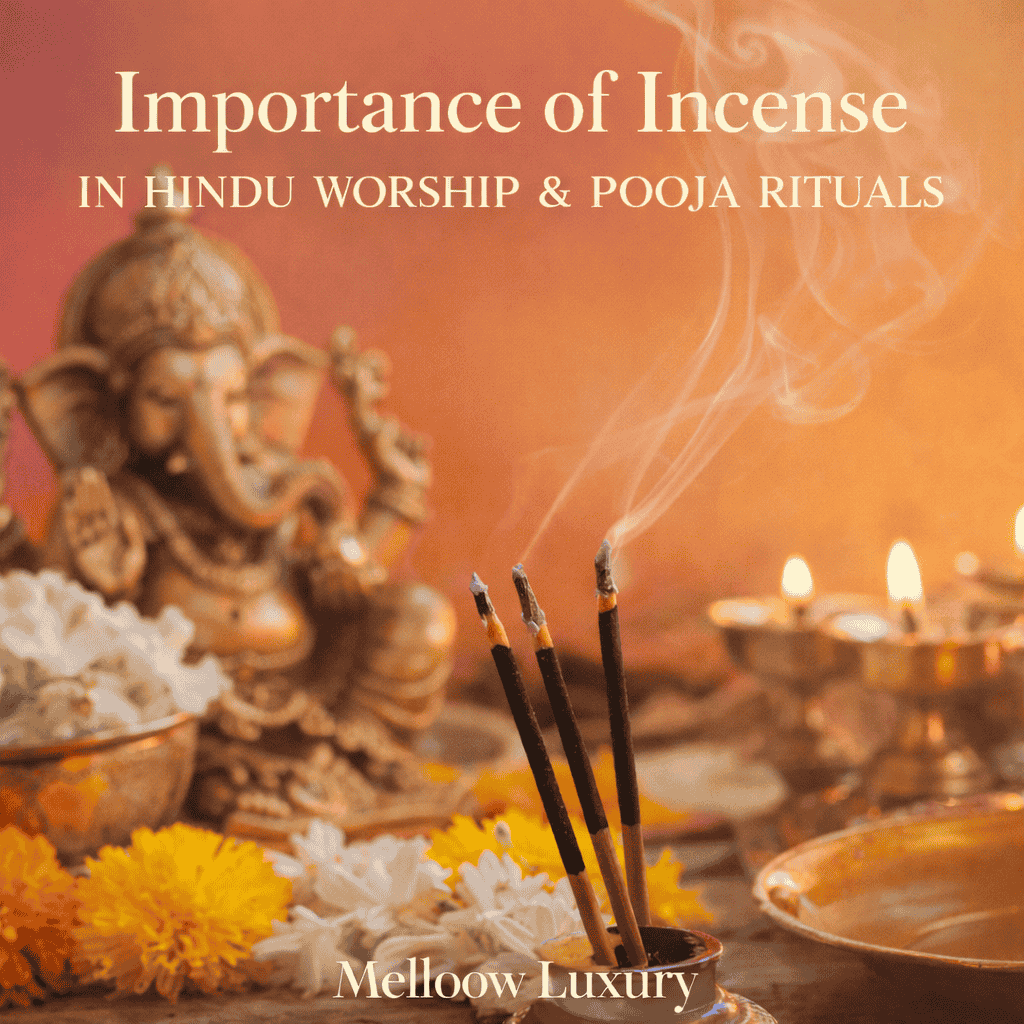
Incense, commonly known as Agarbatti or Dhoop, has been an essential part of Hindu worship since ancient times. From home temples to grand shrines, the gentle fragrance of incense marks the beginning of every sacred ritual. But beyond tradition, why is incense offered to Gods in Hinduism?
The answer lies in deep spiritual symbolism, ancient wisdom, and the powerful connection between fragrance, energy, and devotion.
1. Incense Purifies the Sacred Space
Hindu rituals always begin with purification—of the mind, body, and surroundings. Lighting incense is believed to cleanse the environment of negative vibrations and create a spiritually charged atmosphere.
- Removes stagnant and negative energy
- Enhances positivity and calmness
- Prepares the space for divine presence
This purification is essential before prayers, aarti, or meditation.
2. Offering Fragrance as an Act of Devotion
In Hindu philosophy, devotion (Bhakti) is expressed through the senses. Incense represents the sense of smell, one of the most powerful triggers of memory and emotion.
By offering fragrance:
- Devotees present something pure and pleasing to the divine
- The aroma symbolizes respect, surrender, and reverence
- Worship becomes a complete sensory experience
Fragrance is considered a subtle yet meaningful offering to Gods.
3. Incense Smoke Carries Prayers Upward
One of the most beautiful beliefs in Hinduism is that incense smoke acts as a bridge between the physical and spiritual worlds.
- Rising smoke symbolizes prayers reaching the divine
- It reflects detachment from material desires
- Encourages humility and spiritual focus
This upward movement reminds devotees to elevate their thoughts during worship.
4. Calming the Mind for Spiritual Focus
True prayer requires concentration and mental peace. Traditional incense fragrances such as sandalwood, rose, jasmine, and herbs are known to:
- Reduce anxiety and restlessness
- Enhance focus during chanting and meditation
- Create emotional balance
At Melloow Luxury, our incense sticks are crafted to deliver smooth, long-lasting fragrances that gently calm the mind without overwhelming the senses.
5. Incense Balances the Five Elements
Hindu rituals aim to harmonize the Panch Tatva (five elements). Incense represents Air (Vayu) and Space (Akash).
Along with:
- Lamp (Fire)
- Flowers (Earth)
- Water (Jal)
Incense completes the ritual balance, making worship spiritually complete.
6. Attracting Positive Energy & Divine Vibrations
According to Vedic beliefs and Vastu Shastra, incense enhances positive vibrations and discourages negativity.
- Purifies subtle energies
- Enhances spiritual awareness
- Creates harmony within the home
This is why incense is lit daily in temples and sacred spaces.
7. Incense in Festivals & Daily Rituals
Incense plays a vital role in:
- Morning and evening pooja
- Temple offerings
- Festivals like Diwali, Navratri, Mahashivratri
- Special prayers for peace, prosperity, and protection
Each fragrance carries its own spiritual significance and emotional effect.
8. Tradition Passed Through Generations
Lighting incense is often the first spiritual practice taught in Indian households. It connects generations through faith, discipline, and devotion.
Even in modern lifestyles, incense continues to remind us to pause, breathe, and connect with something higher.
Choosing the Right Incense for Worship
Not all incense is suitable for spiritual rituals. Ideal incense should be:
- Made from quality natural ingredients
- Smooth burning with minimal smoke
- Balanced, soothing fragrance
Melloow Luxury incense blends traditional wisdom with refined fragrance craftsmanship—perfect for daily pooja, meditation, and mindful living.
Conclusion
Incense is offered to Gods in Hinduism as a symbol of purity, devotion, and spiritual connection. Its fragrance elevates prayers, calms the mind, and transforms ordinary moments into sacred experiences.
In a world moving at a fast pace, lighting incense remains a timeless ritual—one that brings peace, positivity, and divine presence into our lives.